MSK & RK SAFETY INDUSTRIAL PERSONAL SAFETY PRODUCT      +971 522 789 465 | +971 582 537 186      +971 458 58630      muthu@uniqsafety.com | info@uniqsafety.com      www.simpleuniquesafety.com      MSK & RK SAFETY INDUSTRIAL PERSONAL SAFETY PRODUCT      +971 522 789 465 | +971 582 537 186      +971 458 58630      muthu@uniqsafety.com | info@uniqsafety.com      www.simpleuniquesafety.com

Workplace safety is one of the most critical aspects of modern industrial operations. From construction and manufacturing to logistics and oil & gas, employees face daily hazards that can impact their health, safety, and productivity. To minimize risks, businesses require high-quality protective equipment and comprehensive safety solutions. 3M UAE is a trusted brand that provides certified industrial safety products, offering reliable protection for workers across the UAE.

Through Simple Unique Safety, companies gain access to the full range of 3M UAE solutions, including personal protective equipment, industrial safety gear, and emergency response tools. These products are designed to comply with local regulations while enhancing overall workplace safety.

Key Benefits of 3M UAE Safety Solutions

  • Certified industrial safety products from 3M UAE

  • Comprehensive personal protective equipment (PPE) for various industries

  • Protection for construction, manufacturing, logistics, and high-risk workplaces

  • Durable and comfortable 3M UAE safety gear for employee compliance

  • Solutions compliant with UAE workplace safety regulations

  • Reliable supply and support through Simple Unique Safety

  • Technology-driven 3M UAE safety systems for real-time monitoring

  • Fire, road, and industrial safety solutions for complete protection

  • Ergonomic and well-designed protective equipment

  • Support for building a proactive workplace safety culture
Ensuring Comprehensive Industrial Protection

Industrial environments are full of potential hazards, from heavy machinery and electrical systems to chemical exposure and extreme working conditions. 3M UAE provides advanced solutions to help companies manage these risks effectively. By using high-quality 3M UAE products, organizations can prevent injuries, reduce downtime, and maintain operational efficiency.

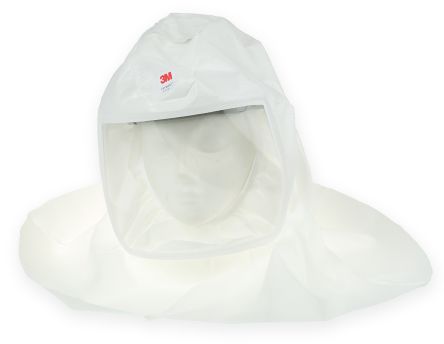
Simple Unique Safety supplies 3M UAE protective solutions to businesses across multiple industries, ensuring that safety protocols are implemented correctly. From helmets and gloves to protective clothing and footwear, 3M UAE offers comprehensive coverage for every employee.

Personal Protective Equipment for Maximum Safety

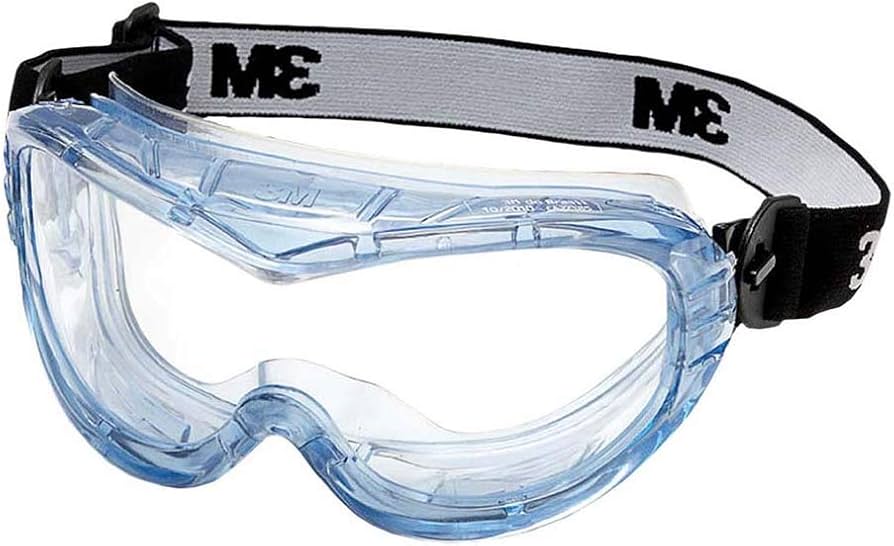
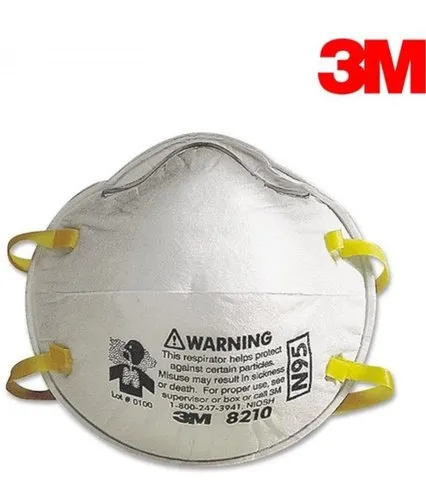
Personal Protective Equipment (PPE) is essential for minimizing workplace risks. Helmets, gloves, safety shoes, goggles, and protective clothing act as the final barrier between employees and hazards. 3M UAE designs PPE that not only provides superior protection but also ensures comfort and durability, making it easier for employees to comply with safety guidelines.

With support from Simple Unique Safety, businesses in the UAE can access 3M UAE PPE tailored for various industries, from construction and manufacturing to logistics. Properly fitted protective equipment reduces accidents and improves employee confidence in challenging work environments.


Construction Safety Solutions

The construction industry remains one of the most hazardous sectors worldwide. Workers are exposed to risks such as falling objects, sharp tools, unstable structures, and heavy machinery. 3M UAE provides construction safety equipment that enhances site protection and minimizes the risk of accidents.

Simple Unique Safety ensures that companies implementing 3M UAE solutions meet local safety regulations while providing reliable, high-quality products to protect their workforce. By integrating these solutions into daily operations, construction companies can maintain safer worksites and improve project efficiency.


Manufacturing and Industrial Environments

Manufacturing facilities often involve complex machinery, repetitive processes, and exposure to chemicals. In these settings, effective safety measures are essential to prevent injuries. 3M UAE supports manufacturers with a range of industrial PPE and safety gear designed to withstand demanding environments.

Organizations using 3M UAE products through Simple Unique Safety experience improved compliance, reduced incident rates, and better overall operational efficiency. Employees equipped with appropriate PPE are more productive and confident, knowing that their safety is a top priority.


Fire Safety and Emergency Preparedness

Fire hazards pose serious risks in industrial and commercial environments. Equipment overheating, chemical reactions, and electrical faults can lead to emergencies if not managed effectively. 3M UAE offers fire safety equipment and emergency protection tools that help organizations prepare for and respond to such incidents safely.

Through Simple Unique Safety, businesses implement 3M UAE fire safety systems to protect both employees and critical assets. Emergency response plans, when combined with certified 3M UAE solutions, reduce the likelihood of damage and ensure quick, safe evacuation during critical situations.


Road Safety and Traffic Management

In warehouses, ports, and industrial zones, vehicle movement creates additional hazards. Forklifts, trucks, and other machinery operate close to employees, increasing the risk of accidents. 3M UAE provides road safety products designed to manage workplace traffic effectively and improve worker visibility.

Simple Unique Safety ensures companies receive 3M UAE solutions that enhance traffic safety, prevent collisions, and support safe operations in environments with high vehicle activity. These products help businesses maintain both operational efficiency and employee safety.


Ergonomics and Comfort

Comfort is a critical factor in safety compliance. Employees are more likely to use equipment consistently when it is lightweight, adjustable, and breathable. 3M UAE focuses on ergonomic design, ensuring that protective equipment can be worn comfortably throughout long shifts.

By working with Simple Unique Safety, organizations in the UAE can implement 3M UAE solutions that balance protection with comfort, improving compliance and employee satisfaction. Properly designed safety gear reduces fatigue and prevents improper usage.


Regulatory Compliance in the UAE

The UAE enforces strict workplace safety regulations to protect employees and reduce industrial hazards. Businesses must provide appropriate PPE, maintain safety records, and ensure proper training. 3M UAE products comply with local regulations while meeting international safety standards.

Simple Unique Safety supplies 3M UAE solutions that support compliance, enabling organizations to pass inspections, maintain certifications, and demonstrate a strong commitment to employee safety.


Training and Employee Awareness

Even the best protective equipment cannot prevent accidents without proper training. Employees must understand workplace hazards and know how to use safety equipment correctly. 3M UAE products are often integrated into structured safety training programs to maximize their effectiveness.

Through Simple Unique Safety, companies implement 3M UAE safety solutions alongside training initiatives, helping employees recognize hazards, respond to emergencies, and use protective gear correctly. This comprehensive approach builds a robust safety culture.


Financial Benefits of Safety Investment

Workplace accidents are costly, leading to medical bills, compensation claims, and lost productivity. Investing in certified protective equipment and safety systems is financially prudent. 3M UAE solutions reduce these risks, protecting both employees and organizational assets.

With the support of Simple Unique Safety, businesses can implement 3M UAE safety solutions that lower operational costs, minimize downtime, and ensure long-term productivity and efficiency.


Technology and Modern Safety Systems

Modern industrial safety increasingly relies on technology. Digital tools and smart systems help companies monitor risks, track incidents, and ensure compliance in real time. 3M UAE integrates advanced technology into safety equipment to enhance protection and reporting capabilities.

Simple Unique Safety helps organizations deploy 3M UAE products in combination with digital monitoring systems, enabling proactive safety management and informed decision-making.


Mental Health and Workplace Safety

Safety is not just physical; employee well-being also affects accident rates. Stress, fatigue, and burnout can increase the likelihood of incidents. Companies that prioritize mental health alongside physical protection achieve better overall safety outcomes.

Using 3M UAE products, supported by Simple Unique Safety, businesses can protect both the body and mind, fostering a safe and healthy work environment that promotes employee engagement and productivity.


Building a Long-Term Safety Culture

Sustainable safety requires leadership commitment, employee involvement, and continuous improvement. Safety programs should integrate hazard identification, protective equipment, training, and audits to create a lasting culture.

3M UAE solutions, supplied through Simple Unique Safety, help organizations develop a proactive safety culture. Employees feel empowered to report hazards, follow protocols, and maintain safe work practices.


Conclusion

Industrial safety is a continuous commitment that demands reliable protective equipment, effective training, and strong leadership. 3M UAE provides advanced solutions to protect employees, reduce risks, and maintain compliance across industries. Through Simple Unique Safety, organizations gain access to certified, high-quality products that improve workplace safety, support operational efficiency, and foster long-term sustainability.

Investing in 3M UAE safety solutions is not just a regulatory requirement—it is a strategic decision that safeguards human life and enhances business performance.

How does Simple Unique Safety supply 3M UAE products to enhance workplace safety?

Simple Unique Safety is a trusted partner for 3M UAE, supplying certified industrial safety equipment, personal protective gear, and workplace safety solutions across the UAE. By implementing 3M UAE products through Simple Unique Safety, organizations can improve employee protection, maintain regulatory compliance, and foster a safer work environment.

Fire hazards, traffic risks, and emergency preparedness are essential considerations. 3M UAE fire safety equipment and road safety products help protect workers during critical incidents. Simple Unique Safety ensures organizations implement these solutions effectively, maintaining safety and readiness across all sites. Ergonomics, Comfort, and Compliance Comfortable protective equipment increases employee adherence to safety protocols. 3M UAE focuses on ergonomics, lightweight materials, and adjustable designs. With support from Simple Unique Safety, organizations implement 3M UAE solutions that encourage proper PPE usage while ensuring compliance with local regulations. Training and Safety Awareness Proper training is crucial for maximizing the effectiveness of protective equipment. 3M UAE integrates into training programs that educate employees on hazard recognition and PPE usage. Simple Unique Safety ensures organizations implement both 3M UAE equipment and training for a holistic safety approach. Long-Term Benefits Investing in safety delivers financial and operational benefits. 3M UAE solutions reduce accidents, lower downtime, and protect assets. Through Simple Unique Safety, companies gain access to certified safety products that improve employee well-being and ensure sustainable operations.Advanced Industrial Safety Solutions for Modern Workplaces Workplace safety has become a critical priority for industries worldwide. Employees in construction, manufacturing, logistics, and other high-risk sectors face daily hazards that can lead to serious injuries, operational delays, and financial losses. Implementing effective safety measures not only protects staff but also improves productivity, enhances employee confidence, and strengthens overall business sustainability. Modern industrial safety goes beyond basic compliance. It requires a comprehensive approach that combines quality protective equipment, employee training, risk assessment, and continuous monitoring. By investing in advanced safety systems, companies ensure a safer working environment and demonstrate a commitment to employee well-being. Importance of Workplace Safety Industrial workplaces are often complex and hazardous. Workers interact with heavy machinery, chemicals, electrical systems, and elevated platforms. Without appropriate protection, even minor incidents can escalate into serious injuries. A strong safety culture provides multiple benefits: Reduces the risk of accidents and injuries Minimizes operational downtime and equipment damage Enhances regulatory compliance Boosts employee morale and engagement Lowers insurance and compensation costs Organizations that prioritize safety create an environment where employees feel valued, reducing stress and improving retention. Personal Protective Equipment (PPE) Personal protective equipment is the final line of defense against workplace hazards. This includes helmets, gloves, safety shoes, eye protection, respiratory devices, and specialized clothing. High-quality PPE reduces the likelihood of injury while allowing employees to perform tasks comfortably. Properly selected protective gear improves compliance and ensures that safety measures are effective. When workers are trained to use PPE correctly, the risk of accidents drops significantly. Safety in Construction and Manufacturing Construction and manufacturing are among the most hazardous industries. Employees may encounter falling objects, unstable structures, sharp tools, heavy machinery, and chemical exposure. A robust safety program addresses these risks by implementing protective measures, monitoring compliance, and providing specialized equipment. Regular inspections, proper hazard identification, and the use of protective gear are key elements of reducing workplace accidents. Organizations that integrate these practices see fewer injuries, smoother operations, and higher employee satisfaction. Fire Safety and Emergency Preparedness Fires remain one of the most dangerous hazards in industrial settings. Electrical faults, equipment malfunctions, and chemical reactions can trigger fires if safety measures are not in place. Fire prevention, early detection, and emergency response systems are crucial. A comprehensive fire safety plan includes: Fire-resistant protective clothing and gloves Fire alarms and extinguishers Clearly marked evacuation routes Emergency drills and training programs Regular maintenance of fire equipment Preparedness ensures that employees can respond effectively during emergencies, minimizing potential injuries and property damage. Road Safety and Traffic Management In facilities with high vehicle activity, such as warehouses, logistics hubs, or construction sites, vehicle-related accidents are a significant concern. Forklifts, trucks, and other equipment often operate close to pedestrian traffic, increasing risk. Implementing traffic management systems, clear signage, and visibility protocols reduces the likelihood of collisions. Safety measures such as high-visibility clothing, marked pathways, and monitored vehicle movement improve overall workplace safety. Ergonomics and Employee Comfort Protective equipment must not only protect but also be comfortable. Poorly designed gear can lead to improper use or non-compliance. Ergonomically designed PPE and safety solutions allow employees to work effectively without discomfort. Comfortable equipment reduces fatigue and prevents accidents caused by physical strain. Providing well-fitted protective clothing and tools ensures that employees maintain consistent safety practices throughout their shifts. Regulatory Compliance Compliance with local and international safety regulations is a key responsibility for businesses. Organizations must provide protective equipment, conduct training programs, and maintain accurate records to meet regulatory requirements. Regular audits and inspections help ensure that safety standards are upheld. Companies that consistently comply with safety regulations reduce legal risks, avoid penalties, and maintain a positive reputation in the industry. Training and Awareness Even the most advanced safety equipment cannot prevent accidents without proper training. Employees must be educated on hazard recognition, correct use of protective gear, and emergency procedures. Effective training programs include: Orientation and induction for new employees Refresher courses and ongoing workshops Hands-on demonstrations of equipment usage Emergency drills and response simulations Encouragement of hazard reporting and feedback A well-trained workforce is more confident, efficient, and capable of maintaining a safe working environment. Financial and Operational Benefits Investing in workplace safety yields measurable financial benefits. Preventing accidents reduces medical expenses, insurance claims, and downtime. It also protects valuable equipment from damage and ensures uninterrupted operations. Safety initiatives improve overall productivity and create a positive corporate culture. Employees who feel protected are more engaged and motivated, contributing to long-term business growth and operational efficiency. Technology in Safety Management Modern industrial safety increasingly relies on technology. Digital tools, sensors, and monitoring systems provide real-time data on potential hazards and employee compliance. These innovations allow organizations to respond quickly to emerging risks and prevent incidents before they occur. Technology-enhanced safety systems improve accountability, streamline reporting, and enable data-driven decisions. Companies that adopt these solutions experience enhanced control over workplace risks. Mental Health and Safety Workplace safety extends beyond physical protection. Mental stress, fatigue, and burnout can increase the risk of accidents and reduce performance. Organizations that promote mental well-being alongside physical safety create a more resilient workforce. Supporting employees with adequate rest periods, workload management, and mental health initiatives contributes to safer work environments and improved employee satisfaction. Building a Long-Term Safety Culture A sustainable safety culture requires leadership commitment, employee involvement, and continuous improvement. Policies, procedures, and protective equipment must be consistently applied and regularly reviewed. Creating a proactive culture encourages employees to report hazards, follow safety protocols, and participate in continuous improvement initiatives. This approach reduces accidents, enhances compliance, and builds long-term operational excellence. Conclusion Workplace safety is an ongoing commitment that requires reliable protective equipment, employee training, technology integration, and organizational leadership. By adopting comprehensive safety strategies, businesses protect their workforce, improve productivity, and ensure long-term operational stability. Organizations that invest in safety not only comply with regulations but also demonstrate a genuine commitment to employee well-being. A proactive safety culture benefits both employees and the business, fostering sustainable growth and safer working environments across industries.Continuous Risk Assessment A safe workplace begins with identifying potential hazards before they become incidents. Regular risk assessments are essential in industries where employees face daily exposure to heavy machinery, chemicals, and physical hazards. These assessments involve analyzing processes, evaluating equipment, and monitoring employee interactions to determine where improvements are needed. Organizations that prioritize risk assessment create proactive safety systems. By identifying risks early, management can implement preventive measures that reduce accidents, ensure compliance, and maintain operational efficiency. Continuous assessment also allows companies to adapt to changes in workflow, equipment, or regulations. Maintenance and Equipment Safety Proper maintenance of machinery and equipment is a critical component of industrial safety. Faulty or poorly maintained equipment increases the likelihood of workplace accidents, endangering both employees and organizational assets. Scheduled inspections, timely repairs, and routine servicing are essential practices. Integrating maintenance programs into a broader safety strategy ensures that equipment operates at peak efficiency and reduces the risk of mechanical failures. Employees can work confidently knowing that the tools and machinery they rely on are safe and properly maintained, further improving productivity and reducing downtime. Emergency Response Planning An effective emergency response plan is vital for minimizing the impact of workplace incidents. Organizations must develop detailed protocols for responding to fires, chemical spills, medical emergencies, and natural disasters. Training employees on these procedures ensures that everyone knows their role during emergencies. Emergency response plans should include evacuation routes, designated assembly points, communication protocols, and the availability of first aid and firefighting equipment. Regular drills reinforce preparedness, allowing employees to act quickly and efficiently, which can save lives and limit damage during actual emergencies. Employee Engagement and Participation A safe workplace requires more than equipment and procedures—it relies on employee engagement. Workers who are involved in safety planning, training sessions, and hazard identification are more likely to follow protocols consistently. Encouraging open communication about safety concerns allows organizations to address risks promptly. Employee participation also fosters a sense of ownership over safety practices. When staff members understand the importance of their role in maintaining a safe environment, they are more proactive in preventing accidents and ensuring that protective measures are followed correctly. Integrating Technology in Safety Management The integration of technology has transformed how organizations approach workplace safety. Digital monitoring systems, wearable safety devices, and real-time data analysis enable companies to track compliance, identify potential hazards, and respond to incidents faster than ever before. Technology-driven safety programs also allow management to analyze trends over time, providing insights into recurring risks and areas needing improvement. By combining traditional safety practices with modern technology, organizations can create safer, more efficient work environments. Sustainability and Safety Sustainable practices in the workplace not only protect the environment but also enhance employee safety. Proper waste disposal, safe handling of chemicals, and energy-efficient operations reduce exposure to harmful materials and hazardous conditions. Organizations that prioritize sustainability alongside safety demonstrate corporate responsibility while creating a healthier work environment. Employees benefit from cleaner, safer conditions, which contributes to overall well-being and long-term workplace satisfaction. The Business Case for Safety Investing in safety is not just a regulatory requirement—it is a strategic business decision. Reducing workplace accidents minimizes direct costs such as medical expenses and compensation claims, while also lowering indirect costs like lost productivity and damaged equipment. A strong safety program improves morale, reduces turnover, and enhances the company’s reputation. Clients and partners are more likely to trust organizations that demonstrate a commitment to protecting their workforce, which can lead to increased business opportunities and long-term growth. Continuous Improvement in Safety Culture Safety is not static—it evolves with changing technologies, regulations, and industry practices. Organizations must continually review and refine their safety protocols to maintain high standards. Regular audits, feedback loops, and employee training sessions help identify gaps and implement improvements. A culture of continuous improvement ensures that safety remains a priority at all levels of the organization. Employees feel valued, risks are minimized, and the company benefits from increased efficiency and a reduced likelihood of incidents.