MSK & RK SAFETY INDUSTRIAL PERSONAL SAFETY PRODUCT      +971 522 789 465 | +971 582 537 186      +971 458 58630      muthu@uniqsafety.com | info@uniqsafety.com      www.simpleuniquesafety.com      MSK & RK SAFETY INDUSTRIAL PERSONAL SAFETY PRODUCT      +971 522 789 465 | +971 582 537 186      +971 458 58630      muthu@uniqsafety.com | info@uniqsafety.com      www.simpleuniquesafety.com

Introduction

In modern industrial environments, safety is no longer optional—it is a critical business responsibility. Companies today must follow strict regulations while ensuring that workers are protected from physical, chemical, and environmental hazards. This is where SAKUREA UAE plays a vital role in supporting workplace safety.

SAKUREA UAE has established itself as a trusted brand in the safety equipment industry by delivering reliable protective solutions for demanding work conditions. From personal protective equipment to industrial safety gear, SAKUREA UAE focuses on durability, comfort, and compliance.

Why Choose SAKUREA UAE

Organizations choose SAKUREA UAE for several important reasons:

  • High-quality materials

  • Long-lasting performance

  • Comfort-focused design

  • Industry-specific protection

  • Trusted distribution through Simple Unique Safety

SAKUREA UAE focuses not just on product supply but on long-term safety performance.

About SAKUREA UAE

SAKUREA UAE is known for offering a comprehensive range of safety products designed to meet international safety standards. The brand serves various industries that require consistent protection and operational reliability.

Organizations prefer SAKUREA UAE because of its:

  • Certified product quality

  • Strong industrial focus

  • Long product lifespan

  • Comfortable design for workers

  • Compliance with safety regulations

Through continuous product development, SAKUREA UAE ensures that safety solutions evolve with industry requirements.


Product Range

The product portfolio of SAKUREA UAE covers multiple categories of personal protective equipment.

Safety Footwear

Safety shoes and boots are designed to protect workers from impact, punctures, and electrical hazards. SAKUREA UAE offers durable footwear with anti-slip soles and reinforced toe protection.

Head Protection

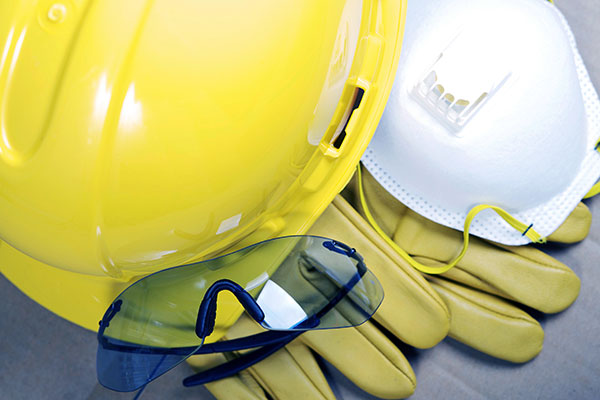
Helmets and headgear from SAKUREA UAE are suitable for construction and industrial environments, providing impact resistance and long-term comfort.

Hand Protection

Safety gloves from SAKUREA UAE are designed for mechanical, chemical, and thermal protection across different industries.

Protective Clothing

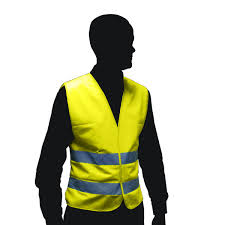
Industrial uniforms and workwear from SAKUREA UAE offer visibility, durability, and comfort in harsh working conditions.


Industries Served

SAKUREA UAE supports a wide range of industries:

Construction

Construction companies rely on SAKUREA UAE for helmets, gloves, footwear, and reflective clothing.

Manufacturing

Factories use SAKUREA UAE products for machine safety, hand protection, and body protection.

Oil and Gas

Energy sector operations trust SAKUREA UAE for flame-resistant and chemical-resistant PPE.

Logistics and Warehousing

Warehouse staff depend on SAKUREA UAE for safety shoes, helmets, and ergonomic protection.

Quality and Compliance

All products from SAKUREA UAE are manufactured following recognized safety standards. This ensures:

  • Reduced workplace accidents

  • Regulatory compliance

  • Improved worker confidence

  • Lower legal risk

By choosing SAKUREA UAE, organizations invest in certified safety systems.


Role of Simple Unique Safety

Simple Unique Safety is an authorized distributor supporting the availability of SAKUREA UAE products across the region. Through Simple Unique Safety, clients receive:

  • Technical consultation

  • Bulk procurement support

  • Reliable stock availability

  • After-sales assistance

This partnership ensures that SAKUREA UAE products reach industries with professional service.


Workplace Safety Culture

Implementing SAKUREA UAE products helps organizations build a strong safety culture. When employees are properly protected, they feel more confident and productive.

A strong safety culture results in:

  • Fewer accidents

  • Higher morale

  • Improved compliance

  • Better operational efficiency

SAKUREA UAE plays a key role in promoting this mindset.


Sustainability and Responsibility

SAKUREA UAE promotes sustainable safety practices by focusing on:

  • Durable products

  • Reduced replacement frequency

  • Ethical sourcing

  • Environmental responsibility

This approach supports long-term safety investment.


Future of SAKUREA UAE

As industries evolve, SAKUREA UAE continues to adapt by introducing innovative materials, improved ergonomics, and smarter protection systems.

The future roadmap includes:

  • Advanced protective footwear

  • Smart safety materials

  • Improved comfort technologies

  • Expanded industry applications

SAKUREA UAE remains committed to modern safety solutions.


Conclusion

Safety is a continuous responsibility, not a one-time action. By choosing SAKUREA UAE, organizations ensure long-term protection, compliance, and workforce well-being.

With strong product quality, trusted distribution through Simple Unique Safety, and industry-focused solutions, SAKUREA UAE stands as a reliable partner for modern workplace safety.

Where can I buy SAKUREA UAE products from Simple Unique Hardware and Safety Trading LLC?

You can buy genuine SAKUREA UAE safety products directly from Simple Unique Hardware and Safety Trading LLC, a trusted safety equipment supplier providing certified PPE, professional guidance, bulk procurement, and reliable after-sales support across the UAE.
The Role of Communication in Safety Leadership Strong communication is one of the most important foundations of effective safety leadership. Leaders who communicate clearly about expectations, responsibilities, and procedures create environments where employees understand their role in maintaining safe working conditions. Open dialogue also encourages workers to report hazards, suggest improvements, and participate in safety initiatives. When communication is transparent and consistent, safety becomes part of everyday conversations rather than an occasional topic. This continuous engagement builds awareness and reinforces accountability at all organizational levels. Behavioral Safety and Employee Engagement Leading brand for certified industrial safety solutions Wide range of personal protective equipment for multiple industries Reliable supplier for construction, manufacturing, and engineering sectors Focus on quality, compliance, and worker protection Supported by Simple Unique Safety for professional distribution Behavioral safety focuses on understanding how human actions influence risk. Even in well-designed systems, unsafe behavior can lead to accidents if not addressed properly. Engaging employees in safety discussions helps identify behavioral patterns that may increase risk. Organizations that promote employee participation in safety programs experience better compliance and stronger commitment. When workers feel involved, they take ownership of safety outcomes and support each other in following procedures. Managing Change and Safety Adaptation Change is inevitable in modern workplaces. New equipment, processes, and technologies introduce unfamiliar risks that require updated safety strategies. Managing change responsibly ensures that employees are prepared and protected during transitions. Effective change management includes risk assessments, training sessions, and clear communication. Preparing workers for new conditions reduces uncertainty and prevents accidents caused by lack of awareness. Learning from Incidents Incidents provide valuable learning opportunities. Rather than assigning blame, organizations should focus on understanding root causes and implementing corrective measures. Analyzing incidents helps identify system weaknesses, training gaps, or equipment limitations. This learning process transforms mistakes into improvements and strengthens overall safety performance. The Importance of Documentation Documentation plays a critical role in safety management. Clear records of training, inspections, audits, and incident reports provide accountability and support regulatory compliance. Well-maintained documentation allows organizations to track progress, evaluate performance, and demonstrate commitment to safety during inspections and audits. Empowering Safety Champions Safety champions are employees who actively promote safe practices within their teams. They serve as role models and encourage peers to follow procedures. Empowering safety champions strengthens internal safety networks and increases peer-to-peer accountability. These individuals help bridge the gap between management and frontline workers. Building Trust Through Consistency Trust is essential for effective safety systems. Employees must trust that management prioritizes their well-being and responds to concerns responsibly. Consistency in safety policies, communication, and enforcement builds credibility. When workers see that safety rules apply to everyone equally, compliance improves naturally. Creating Long-Term Impact The true impact of safety initiatives becomes visible over time. Reduced accident rates, improved morale, and stronger organizational culture reflect successful safety strategies. Long-term commitment ensures that safety remains a priority even during busy or challenging periods. Organizations that maintain focus on safety demonstrate resilience and responsible leadership. Closing Perspective Workplace safety is shaped by leadership, communication, behavior, and continuous improvement. It is a collective effort that requires collaboration between management and employees. By fostering open communication, encouraging participation, and learning from experience, organizations can build safer environments that protect people and support sustainable success. Safety is not only about preventing harm—it is about creating workplaces where individuals feel respected, supported, and empowered to perform at their best.Strengthening Safety as a Core Business Value In today’s rapidly evolving industrial landscape, workplace safety has shifted from being a regulatory requirement to becoming a core business value. Organizations are increasingly recognizing that employee protection directly influences productivity, brand reputation, and long-term sustainability. Safety is no longer seen as a cost, but as a strategic investment that supports business growth and operational resilience. Companies that integrate safety into their organizational culture create environments where employees feel respected, valued, and motivated. This sense of responsibility encourages better performance, lower absenteeism, and stronger employee engagement. Over time, a strong safety culture becomes a competitive advantage. Understanding Risk in Modern Work Environments Modern work environments present complex and dynamic risks. Automation, advanced machinery, chemical processes, and fast-paced logistics operations all introduce new safety challenges. Risk is not limited to physical injury—it also includes psychological stress, fatigue, and long-term health issues. Effective safety management requires identifying hazards, evaluating exposure levels, and implementing preventive measures. This systematic approach helps organizations reduce incidents before they occur, rather than reacting after damage has already been done. The Role of Leadership in Safety Leadership plays a critical role in shaping workplace safety outcomes. When management demonstrates genuine commitment to employee protection, safety becomes embedded in everyday operations. Leaders who prioritize safety allocate proper resources, enforce policies consistently, and encourage open communication. Employees are more likely to follow safety procedures when they see leadership actively participating in safety initiatives. This top-down approach strengthens accountability and builds trust throughout the organization. Safety Training and Skill Development Training is one of the most powerful tools for preventing workplace accidents. Even the best protective equipment cannot guarantee safety if workers do not know how to use it correctly. Effective training programs include hazard awareness, equipment handling, emergency response, and behavioral safety practices. Regular training sessions help employees stay informed about new risks and reinforce correct procedures. Skill development also prepares workers to respond calmly and efficiently during emergencies, reducing panic and minimizing damage. Psychological Safety and Well-Being Workplace safety extends beyond physical protection. Psychological safety—where employees feel secure expressing concerns, reporting hazards, and asking questions—is equally important. Organizations that promote open communication create environments where issues are addressed early. This reduces hidden risks and fosters a culture of transparency. Psychological well-being also improves job satisfaction and reduces stress-related health problems. Technology-Driven Safety Solutions Technological advancements have transformed safety management systems. Digital tools now allow organizations to monitor safety performance, track incidents, and analyze risk data in real time. Wearable devices can monitor worker fatigue, exposure to hazardous conditions, and ergonomic strain. Smart sensors detect environmental hazards such as gas leaks, temperature extremes, and air quality issues. These technologies enhance situational awareness and enable proactive risk management. Compliance and Regulatory Responsibility Regulatory compliance remains a fundamental aspect of workplace safety. Governments and industry bodies establish safety standards to protect workers and prevent negligence. Organizations must stay updated with changing regulations and ensure that policies align with legal requirements. Regular audits, inspections, and documentation help maintain compliance and reduce liability risks. Non-compliance not only leads to legal penalties but also damages corporate reputation and employee trust. Building Sustainable Safety Systems Sustainability in safety involves creating systems that are durable, adaptable, and efficient. This includes selecting long-lasting protective equipment, maintaining inventory effectively, and reducing unnecessary waste. Sustainable safety practices also consider environmental impact. Using recyclable materials, minimizing disposable products, and optimizing supply chains contribute to responsible operations. Organizations that align safety with sustainability demonstrate social responsibility and long-term thinking. Risk Communication and Awareness Clear communication is essential for effective risk management. Employees must understand potential hazards, safety procedures, and emergency protocols. Visual signage, safety manuals, digital platforms, and regular meetings help reinforce awareness. When information is easily accessible, employees are more likely to follow guidelines and report concerns. Strong communication also ensures that safety messages are consistent across departments and job roles. Continuous Monitoring and Improvement Safety systems must be regularly evaluated to remain effective. Continuous monitoring involves tracking incident reports, analyzing trends, and identifying root causes. This data-driven approach allows organizations to refine safety strategies and allocate resources more efficiently. Lessons learned from past incidents help prevent future occurrences. Continuous improvement fosters adaptability and resilience. The Economic Impact of Safety Workplace accidents carry significant economic costs, including medical expenses, compensation claims, lost productivity, and legal fees. In contrast, investing in safety reduces long-term costs and improves operational efficiency. Organizations with strong safety records experience fewer disruptions, higher employee retention, and improved financial performance. Safety therefore becomes an investment with measurable returns. Integrating Safety into Corporate Strategy Safety should be integrated into overall corporate strategy rather than treated as a separate function. Strategic integration ensures that safety considerations influence decision-making at every level. This includes project planning, procurement, facility design, and human resource management. When safety is embedded in strategy, it becomes part of organizational identity. The Human-Centered Approach At its core, workplace safety is about people. Protecting employees reflects respect for human life and dignity. Organizations that prioritize human well-being build stronger relationships with their workforce and communities. A human-centered approach recognizes that employees are not just resources—they are individuals with families, aspirations, and responsibilities. Ensuring their safety is both a moral and professional obligation. Preparing for the Future The future of workplace safety will continue to evolve with technological innovation, regulatory changes, and shifting workforce dynamics. Remote work, automation, and artificial intelligence will introduce new challenges and opportunities. Organizations must remain flexible, informed, and proactive. Continuous learning and adaptation will be key to maintaining effective safety systems in the years ahead. Final Conclusion Workplace safety is a journey, not a destination. It requires consistent effort, leadership commitment, employee involvement, and professional support. Organizations that invest in safety create environments where people can work confidently, efficiently, and responsibly. By building structured systems, embracing innovation, and promoting a culture of care, businesses protect not only their workforce but also their long-term success. Safety is ultimately an investment in people, performance, and sustainable growth.Building Safer Workplaces Through Reliable Protection Workplace safety has become one of the most important priorities for modern organizations. Across industries such as construction, manufacturing, logistics, oil and gas, and engineering, companies face daily operational risks that can affect employee health, business continuity, and regulatory compliance. As a result, investing in high-quality protective equipment and professional safety systems is no longer optional—it is a necessity. Reliable safety solutions play a key role in reducing workplace accidents, improving productivity, and building employee confidence. When workers feel protected, they perform better, follow procedures more effectively, and contribute to a healthier organizational culture. The Importance of Certified Safety Equipment Not all protective equipment provides the same level of performance. Certified safety products undergo strict testing and quality control processes to ensure that they meet international standards. This certification guarantees durability, effectiveness, and consistency across different working conditions. Using approved protective equipment helps organizations avoid legal risks, pass regulatory inspections, and protect their workforce from injuries caused by impact, chemical exposure, electrical hazards, or environmental conditions. Quality assurance is therefore a critical factor in long-term safety planning. Supporting Multiple Industries Different industries face different safety challenges. Construction sites require protection from falling objects and heavy machinery, while manufacturing environments involve risks from mechanical equipment and chemical materials. Logistics and warehousing operations focus on ergonomic safety, visibility, and impact protection. Professional safety suppliers provide industry-specific solutions that align with real operational needs. This ensures that workers receive the right type of protection for their specific roles and working conditions. Role of Professional Consultation Safety is not just about buying products—it is about understanding risks and implementing the right systems. Professional consultation helps organizations evaluate workplace hazards, identify gaps in existing safety practices, and select appropriate protective solutions. Expert guidance ensures that safety investments are practical, cost-effective, and compliant with regulations. This consultative approach also helps avoid unnecessary purchases and ensures that equipment is used correctly. Building a Culture of Responsibility A strong safety culture starts with leadership and extends throughout the organization. When management prioritizes employee protection, it sets a positive example for the entire workforce. Employees are more likely to follow safety procedures, report hazards, and participate in safety initiatives. Encouraging open communication about risks and providing regular training sessions further strengthens safety awareness. Over time, this creates a work environment where safety becomes a shared responsibility rather than an imposed rule. Long-Term Benefits of Safety Investment Investing in workplace protection offers long-term benefits beyond compliance. Organizations that maintain strong safety systems experience fewer accidents, lower medical costs, and reduced downtime. Employee morale improves, and retention rates increase when workers feel valued and protected. In addition, companies with good safety records build stronger reputations, attract skilled professionals, and gain trust from clients and partners. Safety therefore becomes a strategic business advantage rather than a cost burden. Technology and Modern Safety Systems Advancements in technology have transformed how safety is managed. Modern protective equipment includes ergonomic designs, lightweight materials, and smart features that enhance comfort and performance. Digital tools now allow organizations to track safety incidents, monitor compliance, and analyze risk patterns. These innovations improve visibility, accountability, and response time, enabling organizations to prevent accidents before they occur. Environmental and Ethical Responsibility Workplace protection is also connected to environmental and social responsibility. Sustainable practices involve using durable products that reduce waste, sourcing materials ethically, and minimizing environmental impact. Organizations that adopt responsible safety strategies contribute positively to both employee well-being and broader social goals. This holistic approach supports long-term sustainability and corporate responsibility. Continuous Improvement and Adaptation Safety is not a one-time project—it is an ongoing process. Regulations change, industries evolve, and new risks emerge over time. Continuous improvement ensures that safety systems remain effective and relevant. Regular assessments, employee feedback, and professional audits help identify areas for improvement. Organizations that embrace learning and adaptation remain resilient and prepared for future challenges. Final Perspective Creating a safe workplace requires commitment, planning, and collaboration. High-quality protective equipment, professional consultation, and a strong safety culture work together to reduce risks and improve working conditions. By investing in reliable safety systems, organizations protect their people, strengthen their operations, and build a foundation for long-term success. Safety is not just about compliance—it is about caring for people and creating environments where everyone can work with confidence and peace of mind.SAKUREA UAE is a recognized safety brand providing high-quality personal protective equipment designed for industrial and commercial environments. Known for its durability, compliance, and reliability, SAKUREA UAE supports businesses in maintaining safe workplaces across construction, manufacturing, logistics, and engineering sectors.